
.svg)

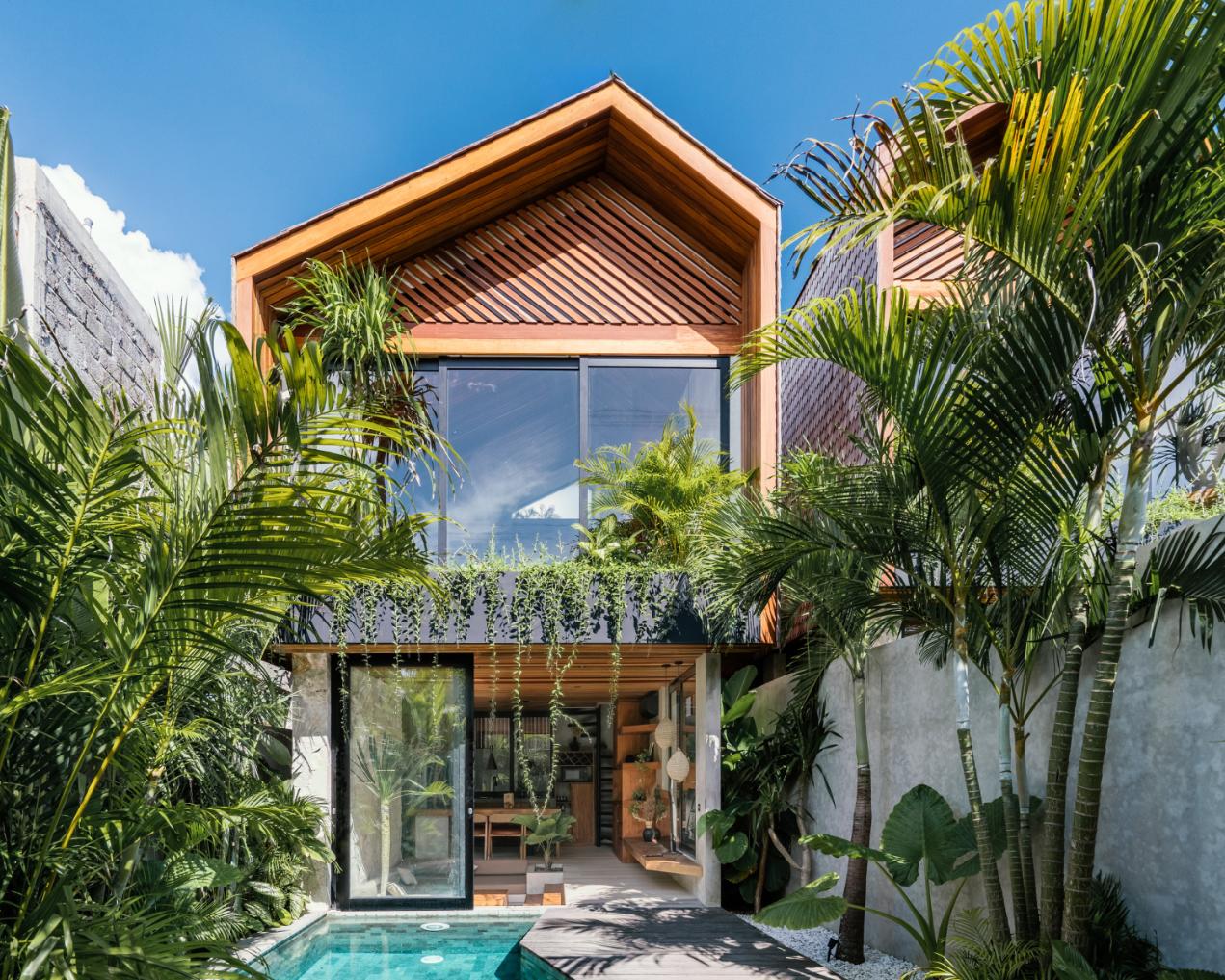
Bali property delivers what few markets can: 8–15% net rental yields, steady tourism demand, and entry prices well below comparable destinations in Southeast Asia. For foreign investors, the challenge isn't finding opportunity—it's navigating ownership structures, zoning rules, and due diligence in an unfamiliar legal system.
This guide covers how foreigners can legally invest, which areas offer the strongest returns, what you'll actually pay in taxes and fees, and how to avoid the most common mistakes we see buyers make.
Why invest in Bali real estate
Bali attracts foreign investors for a few clear reasons: steady tourism, lower entry prices than comparable markets, and limited land in prime coastal areas. The island welcomed over 6 million international visitors in 2024, according to Bali's Provincial Tourism Office, and that demand translates directly into short-term rental bookings.
Compared to Phuket or the Maldives, Bali offers a lower barrier to entry. A two-bedroom villa in an emerging area might start around $180,000 USD, while similar properties elsewhere often exceed $400,000.
Land scarcity matters too. In areas like Uluwatu and the Bukit Peninsula, developable plots are limited. As roads improve and utilities expand, values tend to follow. That said, success depends on choosing the right location, structure, and property type—not just buying anywhere on the island.
Rental yields and ROI for Bali investment property
Investors typically see net rental yields between 8% and 15% annually on well-located villas. The word "net" matters here: gross yield measures total rental income against purchase price, while net yield subtracts operating costs.
Several costs reduce your gross yield:
- Management fees: Usually 15–25% of rental income for full-service management
- Maintenance: Bali's tropical climate means ongoing upkeep for pools, gardens, and AC units
- Platform commissions: Airbnb's host service fee and Booking.com's commission typically range from 3–15% per booking
- Taxes: Annual land tax (PBB) plus income-related obligations
Saturated markets like central Canggu often see compressed margins due to competition. Meanwhile, emerging areas can deliver stronger percentage returns on lower entry prices, though occupancy tends to be less predictable.
How foreigners can invest in Bali property
Indonesian law does not allow foreigners to hold freehold land in their personal name. However, several legal structures make property investment accessible, and understanding your options upfront prevents costly mistakes later.
Leasehold (Hak Sewa)
Leasehold is the most common route for foreign investors. You sign a lease agreement with the landowner, typically for 25 to 30 years, with extension options negotiated at the outset. The property stays in the landowner's name, but you hold exclusive rights to use, renovate, and rent it during the lease term. For a deeper look at how these agreements work in practice, see our complete guide to leasehold property in Bali.
Freehold (Hak Milik)
Hak Milik means full ownership, but it's restricted to Indonesian citizens only. Some foreigners attempt "nominee" arrangements using an Indonesian partner's name. We generally discourage this approach because it carries significant legal risk and offers limited recourse if disputes arise.
PT PMA foreign-owned company
A PT PMA (Perseroan Terbatas Penanaman Modal Asing) is a foreign-owned limited liability company registered in Indonesia through the government's Online Single Submission (OSS) system. This structure allows you to hold property legally under the company name and obtain commercial licenses, including Pondok Wisata permits for short-term rentals.
Minimum capital requirements apply, typically around $700,000 USD in committed investment, though actual paid-up capital can be lower. Uluwatu Advisory can assist with PT PMA establishment if this structure fits your goals. Contact us to discuss your situation.
Right to use (Hak Pakai)
Hak Pakai grants foreigners with valid residency (KITAS or KITAP) a right-to-use title for personal residential purposes. This structure works for lifestyle buyers planning to live in their property, though it's generally not suitable for commercial rental operations.
Best areas for real estate investment in Bali
Location affects both rental yield and long-term appreciation. Each area attracts different guest profiles and carries distinct risk-reward characteristics.
Uluwatu and the Bukit Peninsula
Uluwatu offers cliff-top ocean views, world-class surf breaks, and lower saturation than Canggu. Sub-areas like Bingin, Ungasan, Nyang Nyang, and Balangan each have their own character. Land supply is limited, and we've seen consistent appreciation as infrastructure improves. This is our core expertise zone.
Canggu and Pererenan
Canggu is Bali's most established rental market, with proven demand and strong occupancy rates. Entry prices are higher, and competition among one- to two-bedroom villas is intense. Pererenan, just north, offers lower entry pricing with similar lifestyle appeal.
Seminyak, Umalas, and Kerobokan
These mature markets command premium pricing and attract guests seeking restaurants, nightlife, and beach clubs. Entry costs are the highest in Bali, but occupancy tends to be stable year-round.
Ubud and Central Bali
Ubud draws a different guest profile: wellness travelers, yoga practitioners, and cultural tourists. Rental dynamics differ from coastal areas, with more longer stays and retreat-style bookings. Entry prices can be lower, though yields depend heavily on property positioning.
Emerging areas to watch
Cemagi and outer-area locations offer lower entry points with future growth potential. These areas suit investors comfortable with longer time horizons and less predictable near-term occupancy.
Types of Bali investment property
Different property types serve different investment goals. Matching asset type to your objectives helps narrow your search.
Villas
Villas are Bali's most common investment property. You'll find completed villas ready for immediate rental, "ready to move soon" properties in final construction stages, and off-plan opportunities at lower entry prices. Three-bedroom villas often hit a sweet spot for families and groups. Browse our current villa listings across Uluwatu and beyond to compare completed, ready-to-move, and off-plan options.
Apartments and boutique residences
Apartments offer lower entry points and often sit within managed complexes that handle maintenance and bookings. This segment is growing in Bali, particularly for investors seeking passive income without hands-on management.
Land plots
Land suits investors who want to build custom properties or hold for appreciation. Zoning matters critically here:
- Pink zone: Tourism-zoned land, generally suitable for development and short-term rentals
- Green zone: Agricultural land, where you cannot legally build tourism accommodation or run short-term rentals
Commercial and hospitality assets
Hotels, villa complexes, and commercial spaces require higher capital and typically need a PT PMA structure for legal ownership and licensing.
How much you need to invest in Bali property
Entry prices vary widely depending on location, property type, and lease terms.
Budget an additional 5–10% for taxes, legal fees, and setup costs beyond the purchase price.
How to invest in Bali property step by step
The purchase process typically takes 4–12 weeks for existing properties. Off-plan builds require 12–18 months from purchase to completion.
Step 1: Set your goals and budget
First, clarify whether you're prioritizing rental income, capital growth, personal use, or some combination. Your total budget includes not just the purchase price but also acquisition taxes, legal fees, and any renovation or furnishing costs.
Step 2: Choose your area and property type
Next, match location and asset type to your goals. If rental yield is primary, established areas with proven demand make sense. If appreciation is the focus, emerging zones with lower entry prices may offer better upside.
Step 3: Pick your ownership structure
Then, decide between leasehold and PT PMA based on whether the property is for personal use, investment, or commercial rental. We help you evaluate which structure fits your situation.
Step 4: Conduct legal due diligence
Before signing anything, verify the land certificate, confirm tourism-compatible zoning, check permits, review road access, and ensure taxes are current. Zoning is especially critical: green zone properties cannot legally operate as short-term rentals. We provide a clear due diligence report before you commit.
Step 5: Complete the purchase and set up management
Finally, sign agreements, transfer funds, and complete registration. For international buyers, we support remote purchasing with video walkthroughs, power of attorney arrangements, and step-by-step updates throughout the process.
Taxes and fees for real estate investment in Bali
Understanding your total cost upfront prevents surprises at closing. For a broader look at how these compare to property taxes in other countries, see this overview of Indonesian property taxes.
- BPHTB (Bea Perolehan Hak atas Tanah dan Bangunan): Acquisition tax paid by the buyer, typically 5% of the government-assessed value
- PPh (Pajak Penghasilan): Income or transfer tax usually paid by the seller, around 2.5% of transaction value
- PBB (Pajak Bumi dan Bangunan): Annual land and building tax, generally modest
- Legal and notary fees: Document preparation, review, and registration costs
- Community or estate fees: Recurring charges in some managed complexes
Our accounting partners can help you calculate and file each of these obligations correctly.
Risks and due diligence before you invest in Bali
Every investment carries risk. Understanding the main challenges helps you make informed decisions.
Title and zoning verification
Verify that the land certificate is authentic and that zoning permits tourism use. Pondok Wisata eligibility matters for legal short-term rental operations. Without it, you may face enforcement issues. Green zone properties cannot legally operate as rentals, regardless of what a seller might suggest.
Developer and off-plan risk
Off-plan purchases offer lower entry prices but carry construction and delivery risk. Vet the developer's track record, review contract protections, and understand what happens if timelines slip.
Currency and regulatory risk
Property transactions occur in Indonesian Rupiah, so exchange rate movements affect your USD-denominated returns. Indonesian regulations can also evolve, though the government has generally supported foreign investment in tourism-related property.
Exit and lease extension planning
Plan your exit strategy well before lease expiry. Understand whether your lease is transferable, what extension terms look like, and how to position the property for resale if needed.
Start your Bali real estate investment with Uluwatu Property
We've spent over 10 years helping buyers and investors find the right property in Bali's most desirable locations. Our focus on Uluwatu and the Bukit Peninsula means we know these neighborhoods by heart.
- Curated property selection: Handpicked villas, land, and apartments across Uluwatu and key investment areas
- Full due diligence: Title checks, zoning confirmation, and a clear report before you sign
- Legal support: PT PMA setup, Investor KITAS, and agreement review through Uluwatu Advisory
- Remote buying: Video walkthroughs and step-by-step updates for international buyers
Contact us to start your property search.
FAQs about Bali real estate investment
Do I need to be in Bali to buy investment property?
No. You can purchase remotely with legal support, video walkthroughs, and power of attorney arrangements. We guide international buyers through every step without requiring you to be on the ground.
What happens when a leasehold expires in Bali?
You can negotiate an extension with the landowner before expiry, ideally several years in advance. If no extension is agreed, the property reverts to the landowner at the end of the lease term.
Can foreigners get a mortgage to buy property in Bali?
Indonesian banks generally do not offer mortgages to foreigners. Most foreign investors purchase with cash or arrange financing through banks in their home country.
What is the minimum budget to invest in Bali real estate?
Entry-level investment villas in emerging areas start around $180,000 USD. Prime locations typically require $350,000 USD or more, plus 5–10% for taxes and fees.
How long does it take to complete a Bali property purchase?
Existing properties typically close in 30–60 days once terms are agreed. Off-plan builds usually take 12–18 months from purchase to completion.



.avif)
