
.svg)

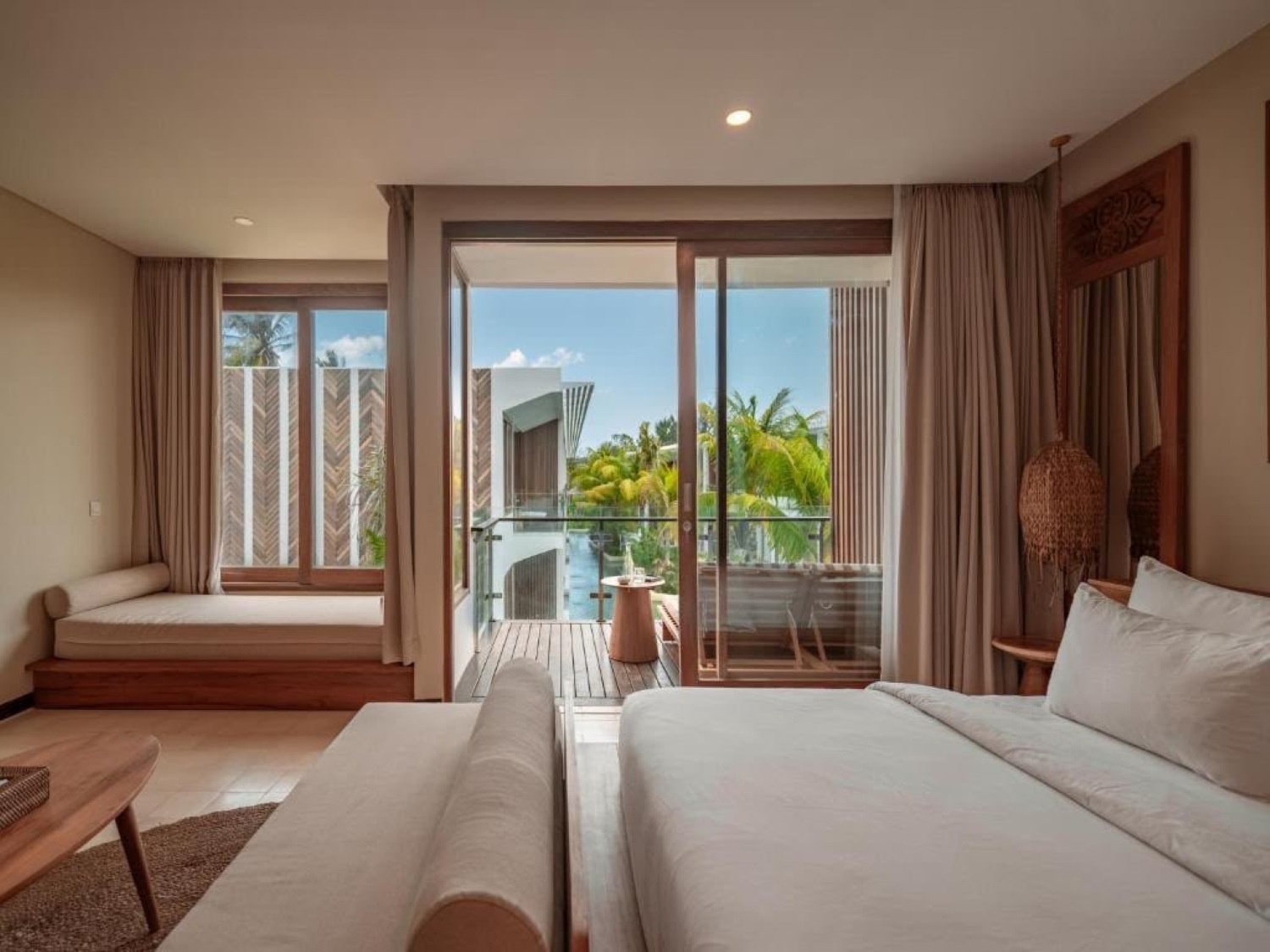
Bali property investment delivers what most Western markets can't: net rental yields of 8–12% annually, land appreciation of 15–20% in high-demand zones, and entry prices starting around $180,000 for a furnished, rental-ready villa. The math works differently here than in Sydney or London, where a comparable return might take decades to materialize.
This guide covers the ownership structures available to foreigners, realistic ROI expectations, the risks that trip up first-time buyers, and a step-by-step breakdown of the purchase process from budget to keys.
Why invest in Bali property
Bali investment properties start around $180,000 for one- to two-bedroom villas in emerging areas like Cemagi or outer Ubud, and range up to $600,000 or more in prime spots like Uluwatu or Canggu. Foreigners can't hold freehold land directly, but you can invest legally through 25–30 year leaseholds or by setting up a PT PMA—a foreign-owned Indonesian company that holds title and operates rentals. Net rental yields often reach 8–12% annually, with land values in high-demand zones appreciating 15–20% per year.
High rental yields
Gross yields in Bali typically fall between 10% and 15%, depending on location and property quality. After subtracting management fees, maintenance, and taxes, net yields settle closer to 8–11%—still well above the 3–5% common in Australia, Europe, or North America.
Tourism-driven demand
Bali welcomes millions of visitors annually, according to official tourism arrival data from Statistics Indonesia, and that flow doesn't pause when peak season ends. Digital nomads, wellness travelers, and long-stay guests fill villas during shoulder months, so occupancy stays more consistent than in purely seasonal destinations.
Faster ROI recovery than Western markets
Lower entry prices paired with strong occupancy mean your capital works harder here. A well-positioned villa in Uluwatu might recover its purchase cost in seven to ten years, while a comparable property in Sydney or London could take two decades.
Lifestyle value alongside returns
Many buyers want a place they can actually use—a few weeks each year by the ocean, with rental income covering costs the rest of the time. This hybrid model lets you enjoy Bali while your property pays for itself.
What drives the Bali investment property market
Three factors stand out right now when it comes to price growth.
Infrastructure and transport upgrades
New toll roads, port expansions, and planned transit links — including the Jimbaran Underpass and other Bukit Peninsula road upgrades — are shortening travel times across South Bali. Areas that once felt remote—like parts of the Bukit Peninsula—are now 30 minutes from the airport, and that accessibility lifts land values.
Limited coastal land supply
Buildable beachfront and clifftop plots are finite, especially in tourism-zoned areas. As available land shrinks, prices for well-located parcels climb faster than inland alternatives.
Digital nomad and long-stay demand
Remote workers aren't just passing through. Many hold a Remote Worker (E33G) KITAS and stay for months, seeking furnished villas with fast internet and dedicated workspace. This demand extends rental seasons and supports higher nightly rates.
Types of Bali investment property
Your goals—rental income, capital growth, personal use—will shape which property type fits best.
Off-plan villa developments
Buying off-plan means purchasing before construction finishes, often at a lower price than completed units. You'll wait 12–18 months for delivery, and you're trusting the developer to deliver on time and to spec.
Ready-to-move villas
Completed villas generate income immediately. You pay a premium for that certainty, but you skip construction risk and can inspect exactly what you're buying.
Land banking and development
Purchasing raw land to hold or build later suits investors with longer horizons. Land banking works best when you understand zoning, have a clear development plan, and can wait for appreciation.
Boutique apartments and commercial assets
Apartments, co-living spaces, and commercial properties like cafes or co-working hubs offer alternatives to the villa market. Each attracts a distinct tenant profile and requires different management approaches.
Realistic ROI and rental yields for Bali property investment
Marketed ROI figures can be optimistic, so here's how to read them clearly.
Gross yield is your annual rental income divided by the purchase price—before any expenses. Net yield subtracts management fees (typically 15–25% of rental income), maintenance, taxes, and vacancy periods. A villa advertised at 14% gross might deliver 9–10% net once you account for real-world costs.
Occupancy rates matter as much as nightly rates. A villa commanding $250 per night but sitting empty half the year will underperform one earning $180 with 75% occupancy.
How much it costs to invest in Bali property
Entry prices vary based on location, size, and whether you're buying off-plan or completed.
Entry-level investment
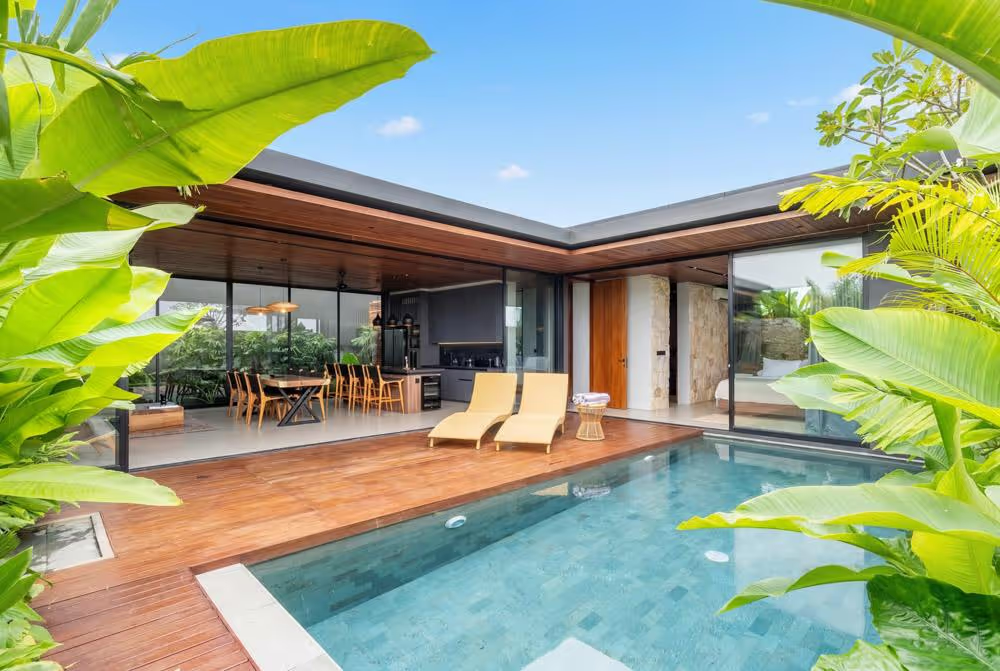
Starter villas in emerging neighborhoods like Cemagi or outer Ubud typically range from $150,000 to $250,000. Most are one- to two-bedroom properties with pools, fully furnished and rental-ready. Browse our current entry-level listings under $200,000 to see what's available at this price point right now.
Mid-range investment
Quality three-bedroom villas in established areas—Uluwatu, central Canggu, Seminyak—generally fall between $300,000 and $500,000. The premium buys better location, stronger rental history, and often superior design.
Luxury and multi-unit investment
High-end single villas and multi-unit complexes start around $500,000 and can exceed $1 million. Investors seeking scale or boutique hospitality operations often look here.
Beyond the purchase price, budget for additional costs:
- Legal and notary fees: Due diligence, contract drafting, and title registration
- BPHTB (acquisition tax): Buyer's transfer tax, typically 5% of the government-assessed value
- Furnishing and fit-out: Interior design and appliances if not included in the sale
Ownership structures for foreign real estate investment in Bali
Indonesian law restricts how foreigners can hold property. Two structures dominate.
Leasehold (Hak Sewa)
Hak Sewa is a lease agreement—you pay for the right to use land and buildings for a set period, typically 25–30 years, with contractual options to extend. You don't own the land outright, but you control the property and can rent it, renovate it, or sell your remaining lease term to another buyer.
PT PMA (foreign-owned company)
A PT PMA is a foreign-owned Indonesian limited liability company, registered through the government's Online Single Submission (OSS) system. Setting one up costs $5,000–$15,000 and requires minimum capital commitments, but it allows you to hold legal title, obtain commercial rental licenses like Pondok Wisata for short-term rentals, and operate as a legitimate business.
Freehold (Hak Milik) is reserved for Indonesian citizens. Nominee arrangements—where a local holds title on your behalf—carry significant legal risk and are not recommended.
Best areas for real estate investment in Bali
Location shapes both rental performance and capital appreciation.
Uluwatu and the Bukit Peninsula
Clifftop ocean views, world-class surf breaks, and a growing luxury market define Uluwatu and the Bukit Peninsula. Land supply is limited, saturation is lower than Canggu, and infrastructure improvements are making the Bukit more accessible. We specialize in this region and know its micro-markets well.
Canggu and Pererenan
Popular with digital nomads and young families, Canggu offers strong rental demand but faces increasing competition. Land prices have risen sharply, and oversupply of one- to two-bedroom villas can compress margins during low season.
Seminyak, Umalas, and Kerobokan
Seminyak, Umalas, and Kerobokan are mature, high-footfall areas suited for hospitality and retail investment. Entry prices are premium, but foot traffic and brand recognition remain strong.
Ubud
The cultural and wellness hub attracts retreat-goers, artists, and longer-stay visitors. Beach-driven demand is absent, but occupancy can be steady year-round for the right property.
Risks of Bali property investment
Every investment carries risk. Knowing what to watch for helps you avoid costly mistakes.
Zoning and land use risk
Bali divides land into zoning categories. Tourism-zoned land (Pondok Wisata) permits short-term rentals; agricultural "Green Zone" land does not. Building or operating rentals on green-zoned land is illegal, and enforcement is increasing.
Construction and developer risk
Off-plan projects can face delays, cost overruns, or quality issues. Vetting developers thoroughly, using milestone-based payments, and considering escrow arrangements all reduce exposure.
Legal and regulatory risk
Indonesian property law can change, and contracts that seem solid may not hold up if improperly drafted. Working with experienced legal counsel—preferably someone who understands both Indonesian regulations and foreign investor needs—is essential.
Currency and repatriation risk
Rental income is typically collected in Indonesian rupiah or US dollars. Exchange rate fluctuations affect your returns when converting to your home currency, and repatriating funds may have tax implications where you reside.
The Bali property investment process step by step
The timeline from first inquiry to keys in hand typically runs 30–60 days for existing properties, longer for off-plan.
1. Set your budget and investment goals
Are you prioritizing rental income, capital growth, personal use, or some combination? Defining your price range and timeline before browsing saves time.
2. Choose your location and property type
Match your goals to area characteristics and property formats. A rental-focused investor might prioritize Uluwatu's emerging luxury market; a lifestyle buyer might lean toward Ubud's tranquility.
3. Conduct legal due diligence
Due diligence covers title checks, zoning confirmation, permit review, tax clearance, and road access verification. We provide a clear due diligence report before you sign anything.
4. Structure ownership and sign agreements
Choose leasehold or PT PMA based on your needs and budget. A notary (PPAT) will execute the contract and register the transaction.
5. Manage, rent, and report
After handover, you'll arrange property management (unless you're hands-on locally), ongoing maintenance, and compliance with tax obligations like annual land tax (PBB) and income reporting.
Contact us to discuss your investment goals →
Taxes, fees, and ongoing costs of Bali investment property
Understanding the full cost picture prevents surprises.
- BPHTB (acquisition tax): Buyer's transfer tax, typically 5% of the government-assessed value
- PPh (seller's tax): Seller's income tax, often negotiated into deal terms
- PBB (annual land tax): Yearly property tax based on land and building value—usually modest
- Legal and notary fees: One-time costs at purchase, typically $2,000–$5,000
- Management fees: 15–25% of rental income if using a property manager
- Maintenance and repairs: Budget 1–2% of property value annually
Our accounting partners can help you plan for these obligations before you buy.
Exit strategy and resale for Bali investment property
Planning your exit from the start protects your returns.
Leasehold properties can be sold (assigned) to a new buyer for the remaining term. Resale value depends on years left, location, condition, and market demand—a villa with 25 years remaining will command a higher price than one with 10.
PT PMA-held properties can be sold via share transfer or asset sale, each with different tax and legal implications. Discussing exit options with your legal advisor before you buy—not when you're ready to sell—makes the process smoother.
Start your Bali investment property journey with Uluwatu Property
We've spent over a decade learning Bali's property market from the ground up, with particular depth in Uluwatu and the Bukit Peninsula. Our team handles everything from curated property selection to full legal due diligence, ownership structuring, and remote transaction support.
Whether you're building a rental portfolio, securing a lifestyle home, or exploring your first international investment, we're here to guide you through every step.
Schedule a discovery call or browse our properties →
Frequently asked questions about Bali property investment
Can foreigners legally own property in Bali?
Foreigners cannot hold freehold land in their personal name under Indonesian law. However, you can invest legally through leasehold agreements (Hak Sewa) or by establishing a PT PMA company, which allows full legal title and commercial rental rights.
How long does a Bali leasehold last and can it be extended?
Most leaseholds run for 25–30 years with contractual options to extend. Extensions are negotiated with the landowner and are best secured in writing at the time of purchase.
What happens to my property when the Bali lease term ends?
When the lease expires, rights revert to the landowner unless you've negotiated and exercised an extension. Planning your exit or renewal five to ten years in advance gives you more options.
Can I buy Bali property remotely without visiting Indonesia?
Yes. Many investors complete purchases entirely remotely using video walkthroughs, digital document signing, and legal representatives. We support the entire process from abroad and keep you updated at every step.
What annual costs should I budget for a Bali investment property?
Expect ongoing expenses including annual land tax (PBB), property management fees (15–25% of rental income), maintenance (1–2% of property value), insurance, and any community or estate fees if your property is within a managed development.


.avif)
