
.svg)

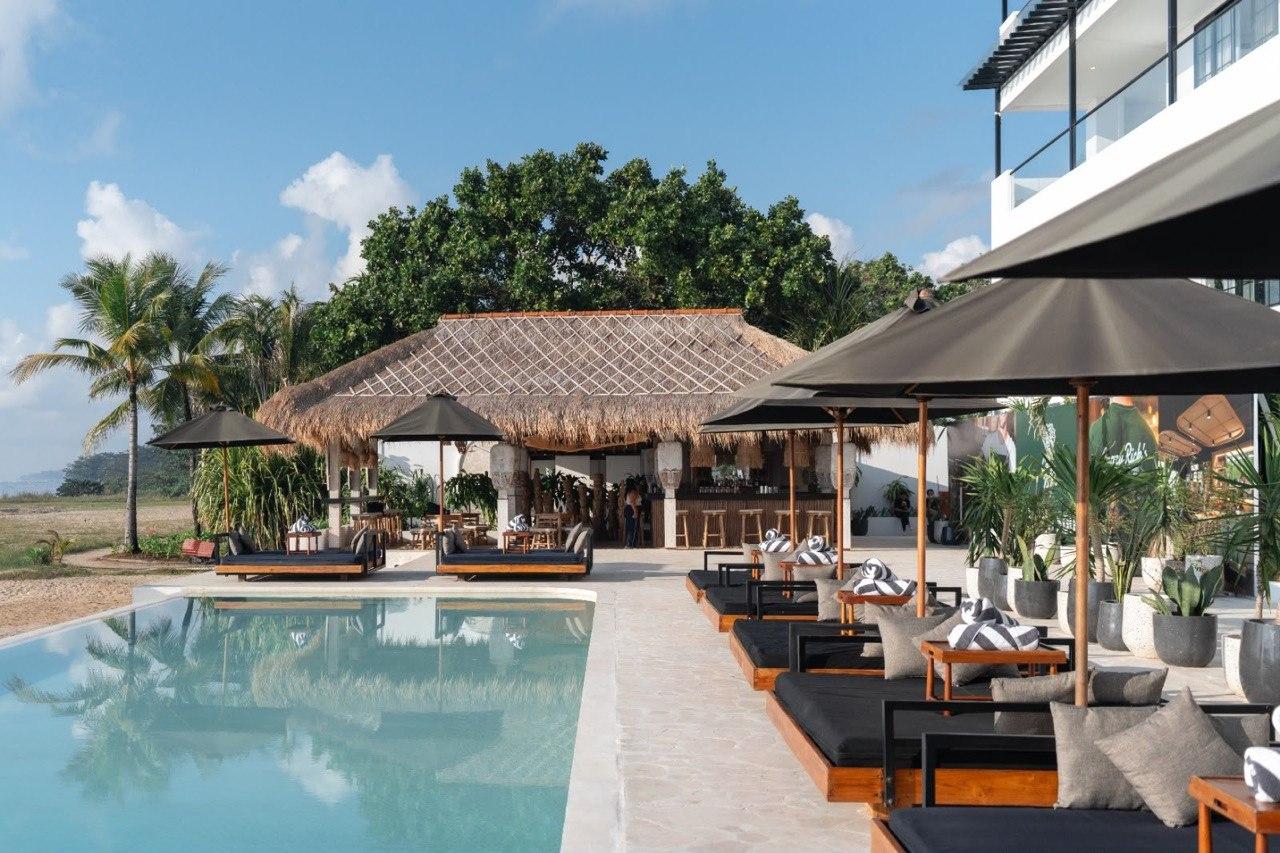
Bali property investment has moved well beyond the backpacker-era guesthouse. Today, foreign investors are buying $200,000 leasehold villas that generate 10% annual yields while appreciating 15-20% per year in the right locations.
But the path to ownership isn't straightforward—Indonesian law prohibits foreigners from holding freehold land, and zoning mistakes can make your investment worthless overnight. This guide covers realistic returns, legal ownership structures, area comparisons, and the step-by-step process to invest without being on the ground.
What is Bali property investment
Bali property investment refers to buying or building villas, apartments, or land in Bali to earn rental income or benefit from rising property values over time. Entry prices typically start around $180,000 for 1-2 bedroom villas in emerging areas like Cemagi or outer Ubud, while prime locations like Canggu or Uluwatu often range from $350,000 to $600,000 or more.
Foreigners cannot hold freehold land directly under Indonesian law. Instead, most international investors secure property through 25-30 year leaseholds with extension options, or they establish a PT PMA—a foreign-owned Indonesian company—to hold title and operate commercial rentals legally.
Why invest in Bali property
High rental yields
Bali's short-term rental market tends to generate stronger annual returns than many Western markets. Yield is simply your annual rental income divided by your purchase price. So if you buy a $200,000 villa and it earns $20,000 per year in bookings, that's a 10% gross yield.
Rapid capital appreciation
Property values in Bali have historically climbed faster than in more established markets, partly because the island has limited land. Capital appreciation means the increase in your property's value over time—you realize this gain when you sell or renew a lease at a higher valuation.
Tourism-driven demand
Millions of visitors arrive in Bali each year — over 6 million in 2024 alone, according to BPS Bali — which keeps short-term rental demand consistent. Digital nomads, honeymooners, wellness travelers, and surfers each fill different seasons and property types, spreading occupancy throughout the year.
Infrastructure growth across Bali
New toll roads, port expansions, and transit projects — backed by a $95 million government infrastructure push in 2026 — are making previously remote areas more accessible. Infrastructure investment often signals long-term viability and tends to precede property value increases in surrounding neighborhoods.
Returns and rental yields from Bali investment property
Understanding how returns actually work helps you evaluate listings without relying on marketing headlines alone.
Gross yield
Gross yield is the number you'll see quoted most often—total annual rental income divided by purchase price. A villa purchased for $250,000 that generates $30,000 in annual bookings shows a 12% gross yield. However, this figure doesn't account for operating costs.
Net yield
Net yield gives you a clearer picture of actual cash flow. You subtract expenses from rental income before dividing by purchase price. Common deductions include:
- Management fees: Typically 15-25% of rental income
- Maintenance: Pool servicing, garden care, repairs
- Platform commissions: Airbnb and Booking.com fees, usually 3-15%
- Annual property tax (PBB): Pajak Bumi dan Bangunan, generally modest compared to Western rates
After deductions, net yields in Bali often fall between 7% and 12%, depending on location, property quality, and how well the villa is managed.
Capital growth
Capital growth refers to how much your property's value increases over time. Emerging areas often appreciate faster than saturated zones. You realize this gain when you sell or when a lease renewal reflects the higher market value.
How much it costs to invest in Bali property
Starter villas in emerging areas
Entry-level options typically range from $150,000 to $250,000 for compact 1-2 bedroom villas in areas like Cemagi, outer Pererenan, or the outskirts of Ubud. These properties often come as leasehold structures, either off-plan or newly completed, and suit first-time investors looking for lower capital outlay.
Premium villas in established locations
Mid-tier investments between $300,000 and $500,000 get you 2-3 bedroom villas in Uluwatu, Canggu, or Seminyak. Proximity to beaches, restaurants, and co-working spaces commands higher nightly rates, though competition is also stronger in these areas.
Luxury and multi-unit properties
High-end options above $500,000 include 4+ bedroom villas, beachfront estates, or villa complexes. These suit investors seeking trophy assets or commercial-scale rental operations and typically require a PT PMA structure for proper licensing.
Types of Bali investment property
Ready-to-move villas
Completed properties available for immediate occupation or rental eliminate construction risk and allow faster income generation. The trade-off is a higher upfront cost and less opportunity for customization.
Off-plan villas
Purchasing before or during construction—known as off-plan—often means a lower entry price and potential capital gain upon completion. However, you're exposed to construction delays and developer risk. Vetting the developer's track record and using milestone-based payment schedules helps protect your capital.
Land plots and land banking
Buying land to hold for appreciation or future development can be lucrative, but zoning is critical. Only land zoned for tourism (often called "pink zone") allows short-term rentals. Green zone land is classified as agricultural, where building is restricted and commercial rentals are illegal.
Boutique apartments and commercial spaces
Alternatives to villas include serviced apartments, retail units, and small hotels. These typically require a PT PMA structure and suit investors seeking diversification beyond single-villa ownership.
Best areas for real estate investment in Bali
Uluwatu and the Bukit Peninsula
The Bukit Peninsula—including Uluwatu, Bingin, Ungasan, Balangan, and Nyang Nyang—offers clifftop ocean views, world-class surf breaks, and a growing wellness tourism scene. Land supply is limited, and the area remains less saturated than Canggu. We specialize in this region and know its micro-markets well.
Canggu and Pererenan
Canggu is currently the hotspot for digital nomads and short-term rentals. Demand is high, but so is supply—particularly for 1-2 bedroom villas. Entry prices are higher than Uluwatu, and increased competition can compress yields during low season.
Seminyak, Umalas, and Kerobokan
Seminyak, Umalas, and Kerobokan are mature areas with upscale dining and nightlife. Price points are among the highest on the island, and yield potential is typically lower, though demand from luxury travelers remains stable.
Ubud
Bali's cultural and wellness center attracts a different tourist demographic—yoga retreats, art enthusiasts, and rice terrace visitors. Prices are generally lower than coastal areas, but so are rental rates.
Emerging areas to watch
Tabanan, Mengwi, and Cemagi are seeing new infrastructure and developer interest. These areas carry higher risk but potentially higher reward for investors with longer time horizons.
How foreigners can own Bali investment property
Indonesian law prohibits foreigners from holding freehold land in their personal name. However, several legal pathways exist.
Leasehold or Hak Sewa
Hak Sewa means "Right to Lease" and is the most common structure for foreign investors. You lease land for an initial period of 25-30 years, often with contractually guaranteed extensions. You own the rights to use the land and any structures—not the land title itself. This approach is simpler and lower-cost than forming a company but limits your ability to obtain commercial rental licenses.
Freehold or Hak Milik
Hak Milik means "Right to Own" and represents full land ownership, available only to Indonesian citizens. Some investors use nominee arrangements where an Indonesian citizen holds title on their behalf, but this carries significant legal risk and is generally not recommended.
PT PMA foreign-owned company
A PT PMA (Perseroan Terbatas Penanaman Modal Asing) is a foreign-owned Indonesian limited liability company. This structure enables legal title ownership, commercial rental licenses like Pondok Wisata permits, and a tax ID for proper business operations.
Requirements include minimum capital investment, an Indonesian director or commissioner, and ongoing compliance obligations. Our legal partners at Uluwatu Advisory can assist with PT PMA setup and administration.
Step-by-step process to invest in Bali property
1. Set your goals and budget
First, define your intent: rental income, personal use, capital growth, or a combination. Your budget includes the purchase price plus acquisition costs—typically 5-10% additional for taxes, legal fees, and notary charges.
2. Choose your area and property type
Next, match location to your investment goals. Uluwatu suits those prioritizing appreciation, Canggu works for high-occupancy rental strategies, and Ubud appeals to wellness-niche investors.
3. Select the right ownership structure
The choice between leasehold and PT PMA depends on your budget, commercial intent, and long-term plans. Consulting legal counsel before deciding helps avoid costly restructuring later.
4. Complete legal due diligence
Due diligence covers several key checks:
- Title verification: Confirm the seller legally owns the property or lease
- Zoning confirmation: Ensure land is zoned for your intended use
- Permit review: Check building permits (IMB/PBG) are in order
- Tax clearance: Verify all property taxes (PBB) are paid
- Access rights: Confirm legal road access to the property
We provide a comprehensive due diligence report before you sign any agreement.
5. Close the transaction and set up management
Closing involves signing the lease or sale agreement before a notary called a PPAT. The typical timeline from accepted offer to completion runs 30-60 days for existing properties. For income-generating investments, rental management setup can begin immediately after handover.
Taxes and fees for Bali investment property
Beyond the purchase price, expect these costs:
- Acquisition tax (BPHTB): Bea Perolehan Hak atas Tanah dan Bangunan—typically 5% of transaction value, paid by the buyer
- Seller's income tax (PPh): Pajak Penghasilan—2.5% of transaction value, paid by seller but sometimes negotiated
- Annual land and building tax (PBB): Pajak Bumi dan Bangunan—ongoing annual obligation, usually modest
- Legal and notary fees: Paid to the PPAT for contract preparation and registration
- Agent commission: If applicable, typically paid by the seller
We provide detailed cost breakdowns upfront so there are no surprises at closing. Our accounting partners can help you plan for these costs and file correctly.
Risks to know before you invest in Bali property
Leasehold expiry and extension
Leasehold is not ownership—your rights end when the term expires. Contractual extension clauses and verifying the landlord's willingness to extend are critical. Poorly structured leases can leave you with no recourse when the term ends.
Regulatory and zoning changes
Indonesian property regulations can change, and enforcement varies. The green zone issue is particularly important: purchasing agricultural-zoned land for villa development is illegal and puts your entire investment at risk.
Construction quality on off-plan projects
Developer quality varies widely in Bali. Risks include delays, cost overruns, substandard materials, and developers going bankrupt mid-project. Vetting track records and using milestone-based payment schedules helps protect your capital.
Currency and rental market fluctuations
Property is typically priced in USD, but rental income often comes in mixed currencies. Exchange rate movements affect returns for foreign investors. Rental demand can also fluctuate with tourism trends, global events, or oversupply in certain areas.
How Bali compares to other real estate investment markets
Bali offers higher yields than mature Western markets but requires navigating foreign ownership structures. Global rental yield data supports this pattern, with Indonesia consistently outperforming markets like Thailand, Portugal, and Australia on gross returns.
Start your Bali investment with Uluwatu Property
We help you find investment properties that match your goals—whether you're building rental income, planning a lifestyle move, or securing long-term value. With over 10 years of Bali property expertise and deep specialization in Uluwatu and South Bali's high-growth areas, we guide you from discovery through due diligence to completed transaction.
Our legal and advisory services through Uluwatu Advisory handle PT PMA establishment, land due diligence, and permit verification.
Frequently asked questions about Bali property investment
Can I buy Bali property without visiting the island?
Yes, many investors purchase remotely with full legal support, video walkthroughs, and regular updates—we guide you through each step without requiring an in-person visit.
What happens when my leasehold term ends?
Your rights to the property expire unless you have a contractual extension option. Always ensure extension terms are clearly written into your lease agreement before signing.
Can I get a mortgage to finance investment property in Bali?
Indonesian banks rarely offer mortgages to foreigners, so most international investors purchase with cash or arrange financing from their home country.
How long does it take to complete a Bali property purchase?
Existing properties typically close within 30 to 60 days, while off-plan purchases follow the construction timeline—often 12 to 18 months from deposit to handover.
Do I need a visa to own investment property in Bali?
Property ownership does not require a specific visa, but operating a rental business or residing long-term may require an Investor KITAS or other permit.
Who manages my Bali villa when I am not there?
Professional villa management companies handle bookings, guest services, maintenance, and accounting for a percentage of rental income—we can connect you with vetted partners.


.avif)
